Blog

  • How to Implement AI in Teaching and Learning

    How to Implement AI in Teaching and Learning

    How to Implement AI in Teaching and Learning

    How to Implement AI in Teaching and Learning: A Practical Guide

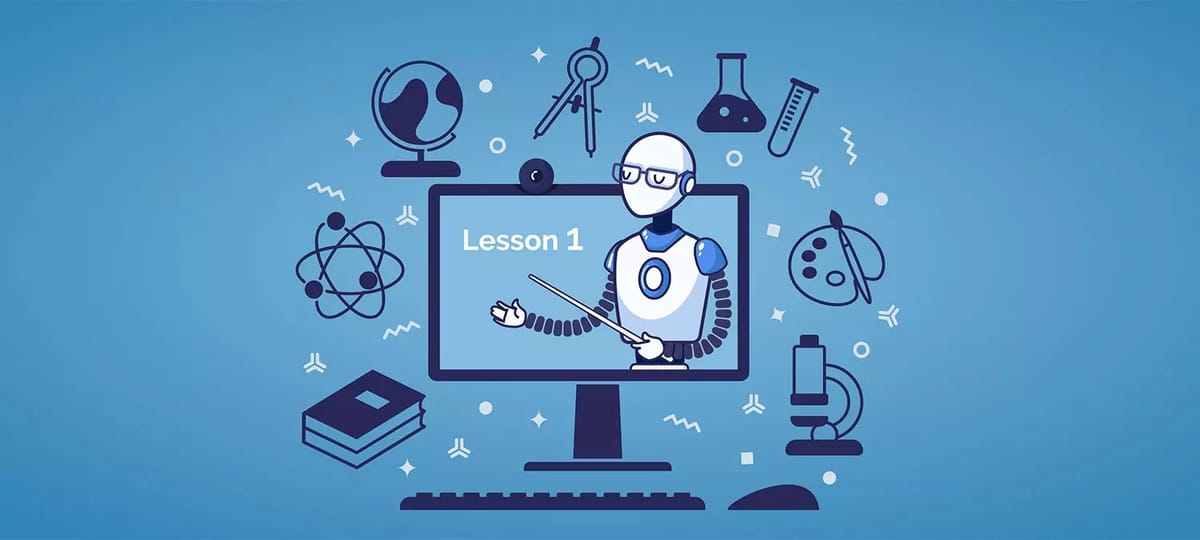
    Artificial intelligence (AI) is rapidly transforming various sectors, and education is no exception. From personalized learning experiences to automated grading, AI offers exciting possibilities for enhancing teaching and learning. This article explores practical strategies for integrating AI into your classroom, fostering a more engaging and effective learning environment for both teachers and students.

    Understanding the Potential of AI in Education

    AI’s impact on education goes beyond simply automating tasks. It allows for the creation of dynamic learning environments tailored to individual student needs. AI-powered platforms can analyze student performance, identify knowledge gaps, and recommend targeted learning resources. This personalized approach can significantly improve student engagement and outcomes. Beyond individualization, AI can streamline administrative tasks, freeing up teachers to focus on crucial aspects of the learning process like fostering critical thinking and creativity. However, it’s crucial to remember that AI is a tool; it’s not a replacement for the essential human element in education.

    Choosing the Right AI Tools for Your Classroom

    The educational AI landscape is vast and rapidly evolving. Selecting the right tools depends heavily on your specific needs and resources. Consider factors like the age of your students, the subject matter, and your budget. For example, AI-powered chatbots can provide 24/7 support to students, while AI-driven grading systems can automate the assessment process, allowing teachers more time for personalized feedback. Platforms offering automated lesson planning or interactive simulations can enhance student engagement, while those providing detailed learning analytics can offer invaluable insights into individual student progress. Don’t be afraid to experiment and explore different options to discover the tools that best complement your teaching style and learning objectives.

    Integrating AI into Your Curriculum: Strategies for Success

    Simply introducing AI tools into the classroom isn’t enough; successful integration requires careful planning and implementation. Begin by clearly defining learning objectives and identifying areas where AI can offer the greatest value. Incorporate AI tools into existing lessons organically, rather than forcing them into unrelated contexts. Ensure clear communication with students about how AI is being used and why, fostering a positive and collaborative learning environment. Encourage critical thinking about AI’s role in their education; this will empower them to utilize AI tools effectively and ethically. Furthermore, establish clear guidelines regarding data privacy and security to maintain student trust and confidentiality.

    Ethical Considerations and the Human Element

    As AI becomes increasingly integrated into education, ethical considerations become paramount. Ensure data privacy measures are in place, protecting student information from unauthorized access. Discussions about the potential biases embedded within AI algorithms should be encouraged. Recognize that AI is a tool, and the human element remains crucial. AI should enhance, not replace, the teacher-student relationship. Emphasize the development of critical thinking skills, creativity, and interpersonal skills alongside the use of AI tools. It’s about leveraging technology to create a richer, more personalized learning experience while maintaining the core values of education—empathy, connection, and critical thinking.

    By thoughtfully integrating AI into teaching and learning, educators can unlock a new era of personalized, engaging, and effective education. It’s about harnessing technology to support and enhance the human-centric aspects of education, fostering a love of learning and preparing students for the challenges and opportunities of the future.

  • How to Implement AI in Teaching and Learning

    How to Implement AI in Teaching and Learning

    How to Implement AI in Teaching and Learning: A Practical Guide

    Artificial intelligence (AI) is rapidly transforming various sectors, and education is no exception. From personalized learning experiences to automated grading, AI offers exciting possibilities for enhancing teaching and learning. This article explores practical strategies for integrating AI into your classroom, fostering a more engaging and effective learning environment for both teachers and students.

    Understanding the Potential of AI in Education

    AI’s impact on education goes beyond simply automating tasks. It allows for the creation of dynamic learning environments tailored to individual student needs. AI-powered platforms can analyze student performance, identify knowledge gaps, and recommend targeted learning resources. This personalized approach can significantly improve student engagement and outcomes. Beyond individualization, AI can streamline administrative tasks, freeing up teachers to focus on crucial aspects of the learning process like fostering critical thinking and creativity. However, it’s crucial to remember that AI is a tool; it’s not a replacement for the essential human element in education.

    Choosing the Right AI Tools for Your Classroom

    The educational AI landscape is vast and rapidly evolving. Selecting the right tools depends heavily on your specific needs and resources. Consider factors like the age of your students, the subject matter, and your budget. For example, AI-powered chatbots can provide 24/7 support to students, while AI-driven grading systems can automate the assessment process, allowing teachers more time for personalized feedback. Platforms offering automated lesson planning or interactive simulations can enhance student engagement, while those providing detailed learning analytics can offer invaluable insights into individual student progress. Don’t be afraid to experiment and explore different options to discover the tools that best complement your teaching style and learning objectives.

    Integrating AI into Your Curriculum: Strategies for Success

    Simply introducing AI tools into the classroom isn’t enough; successful integration requires careful planning and implementation. Begin by clearly defining learning objectives and identifying areas where AI can offer the greatest value. Incorporate AI tools into existing lessons organically, rather than forcing them into unrelated contexts. Ensure clear communication with students about how AI is being used and why, fostering a positive and collaborative learning environment. Encourage critical thinking about AI’s role in their education; this will empower them to utilize AI tools effectively and ethically. Furthermore, establish clear guidelines regarding data privacy and security to maintain student trust and confidentiality.

    Ethical Considerations and the Human Element

    As AI becomes increasingly integrated into education, ethical considerations become paramount. Ensure data privacy measures are in place, protecting student information from unauthorized access. Discussions about the potential biases embedded within AI algorithms should be encouraged. Recognize that AI is a tool, and the human element remains crucial. AI should enhance, not replace, the teacher-student relationship. Emphasize the development of critical thinking skills, creativity, and interpersonal skills alongside the use of AI tools. It’s about leveraging technology to create a richer, more personalized learning experience while maintaining the core values of education—empathy, connection, and critical thinking.

    By thoughtfully integrating AI into teaching and learning, educators can unlock a new era of personalized, engaging, and effective education. It’s about harnessing technology to support and enhance the human-centric aspects of education, fostering a love of learning and preparing students for the challenges and opportunities of the future.

  • AI-Powered Learning: Revolutionizing Education for the Future

    AI-Powered Learning: Revolutionizing Education for the Future

    In a world rapidly transforming, education needs to adapt. Artificial intelligence (AI) is no longer a futuristic concept; it’s actively reshaping classrooms and learning experiences. From personalized learning paths to automated grading, AI is poised to revolutionize how we teach and learn, preparing students for the challenges and opportunities of the 21st century.

    Personalized Learning Journeys: Tailored to Individual Needs

    One of the most significant ways AI is transforming education is through personalized learning experiences. AI algorithms can analyze student data – performance, learning style, preferred pace – to create customized learning paths. This means students can progress at their own speed, focusing on areas where they need more support and accelerating through material they grasp quickly. This not only boosts engagement but also allows for a deeper understanding of the subject matter. Teachers can then concentrate on providing individualized support and fostering critical thinking skills, rather than trying to address the needs of every student within a one-size-fits-all model.

    Intelligent Tutoring Systems: 24/7 Support and Feedback

    AI-powered tutoring systems are providing instant feedback and support to students, eliminating the time constraints inherent in traditional tutoring models. These systems can identify knowledge gaps, offer targeted practice exercises, and provide explanations tailored to individual comprehension levels. The availability of this 24/7 support is invaluable, especially for students who learn best through repetition and practice. Beyond basic exercises, AI-driven platforms can simulate complex scenarios and challenges, pushing students to apply their knowledge in real-world contexts. This fosters critical thinking and problem-solving skills, preparing them for future challenges.

    Automated Grading and Assessment: Freeing Up Teacher Time

    AI is significantly impacting the grading process, freeing up valuable teacher time. Automated grading systems can assess objective tasks like multiple-choice questions and basic math problems with speed and accuracy. This allows teachers to focus on evaluating more complex aspects of student learning, like essay writing, critical analysis, and project work. This shift in workload allows teachers to provide more individualized feedback and attention to students, fostering a stronger teacher-student relationship, and encouraging deeper engagement with the material.

    Beyond the Classroom: Exploring New Learning Avenues

    AI isn’t just transforming the classroom; it’s opening up new avenues for learning outside of the traditional environment. Interactive simulations, virtual reality (VR) experiences, and adaptive learning platforms are enhancing engagement and making learning more dynamic and immersive. AI-powered language learning apps provide personalized feedback and practice, and educational games can teach fundamental concepts in a fun and interactive way. The potential for AI to revolutionize how students access and engage with education is immense, promising a more accessible and engaging learning experience for all.

    AI-powered learning is not simply a technological advancement; it’s a paradigm shift in education. By personalizing learning, providing instant support, automating grading, and expanding access to new learning experiences, AI is shaping the future of education for the better. It is empowering students to become active learners, fostering critical thinking and problem-solving skills, and preparing them to thrive in an ever-evolving world.

  • Streamlining School Operations: The Ultimate Guide to Choosing the Right School Information System

    Streamlining School Operations: The Ultimate Guide to Choosing the Right School Information System

    Streamlining School Operations: The Ultimate Guide to Choosing the Right School Information System

    In today’s fast-paced educational landscape, efficient operations are paramount. A well-implemented school information system (SIS) can significantly streamline administrative tasks, improve communication, and ultimately enhance the student experience. Choosing the right system, however, is crucial. This guide will walk you through the key factors to consider when selecting an SIS that best fits your school’s unique needs.

    Understanding Your Needs: Defining the Requirements

    Before diving into the features of various systems, a thorough assessment of your school’s specific needs is essential. Consider factors such as student enrollment size, academic programs offered, budget constraints, and existing technology infrastructure. Do you need robust scheduling capabilities? Detailed reporting for performance metrics? Effective communication tools for parents? Defining these needs will help narrow your search and ensure the chosen system aligns perfectly with your goals. Clearly document these requirements, prioritizing the features that are most critical to your daily operations.

    Evaluating Key Features and Functionality

    Once you have a clear understanding of your needs, it’s time to evaluate the key features and functionality of different SIS options. Look beyond flashy interfaces and focus on core capabilities. Critical features include student information management (including academic records, attendance, and disciplinary actions), financial management (billing, payments, and reporting), and communication tools (email, portals, and parent/teacher messaging). Investigate the system’s ability to integrate with existing software, such as your school’s payroll or accounting systems. Examine the system’s security protocols and disaster recovery plans. A robust and secure system is essential for safeguarding sensitive student data.

    Considering Implementation and Support

    Choosing a system is only half the battle. Thorough planning for implementation and ongoing support is vital for successful integration. Understand the vendor’s approach to implementation, including training for staff and support throughout the process. Consider the time commitment required for initial setup and data migration. Look for a system with comprehensive user documentation and readily available technical support. Evaluate the vendor’s reputation and track record in supporting schools similar to yours. A strong support team can be invaluable in troubleshooting issues and ensuring a smooth transition to the new system.

    The Cost Factor and ROI

    While features and functionality are important, the total cost of ownership must be factored into the decision. Consider not just the upfront license fees but also ongoing maintenance costs, potential upgrades, and training expenses. Calculate the potential return on investment (ROI) by estimating the time saved through automation, improved efficiency, and reduced administrative workload. A clear understanding of the long-term financial implications will help you make a well-informed decision.

    By carefully evaluating your school’s unique needs, considering key features, prioritizing implementation support, and acknowledging the cost factor, you can confidently select a school information system that significantly improves operations, enhances communication, and ultimately contributes to a more successful and fulfilling learning environment for all stakeholders.

  • Hello world!

    Welcome to WordPress. This is your first post. Edit or delete it, then start writing!